Herzog & de Meuron | Baas Arquitectura | Casa Solo Arquitectos | Nord Architects | 3RW Arkitekter | Witherford Watson Mann | Clancy Moore | Irene Barclay | Ecomimesis Soluções Ecológicas | Adamo Faiden
For most of us, life begins in a hospital and is likely to end in a medical facility too. We visit hospitals during our lives – if not for a broken arm or surgery, then for an unwell loved one.
Although healthcare is a universal need, access is deeply unequal. The most impressive new hospital buildings, such as Herzog & de Meuron’s new Kinderspital Zürich, are typically built in wealthy urban centres, and their replicability is questionable. In Catalonia, the public healthcare system has been commissioning primary care centres in the region’s smaller towns to improve proximity to facilities while alleviating pressure on the larger complexes.
Hospitals and other medical facilities are not the only architectures of health. Interwar social housing advocate Irene Barclay identified ‘houses that are dangerous and injurious to health’ in her reports of London’s so-called slums. In Rio de Janeiro, the municipality is creating new urban parks so that deprived communities may escape the heat to exercise and socialise. For the first time in a century, the water of Ireland’s Avoca River is running clear, due to a new treatment plant designed by Clancy Moore.
A healthy building supports human life, as well as other living organisms, argues Beatriz Colomina in her keynote. This is not restricted to architecture’s end users but those who build it too. UK construction workers died at a greater rate than nurses in 2020, Charlotte Banks writes. It is a stark reminder that, even at the height of the Covid-19 pandemic, the building industry will value profit over human health unless continually and tirelessly checked.
1520: Health

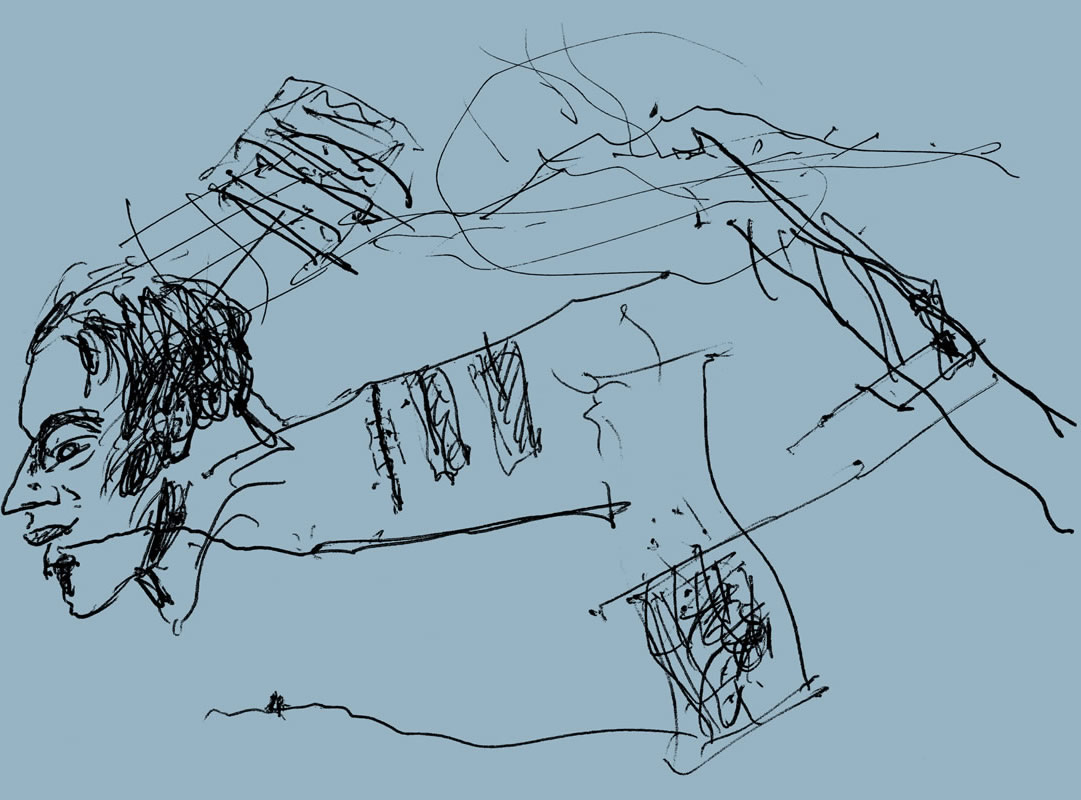
cover (above) Damien Hirst
As part of a larger group of works featuring shrine-like wall-mounted pill cabinets, Damien Hirst’s When the Heart Speaks (2005) explores the boundaries of human belief and challenges society’s reliance on drugs as a universal cure. Credit: © Damien Hirst and Science Ltd. All rights reserved, DACS 2025 / Photo: Prudence Cuming Associates Ltd / Courtesy the artist and Gagosian
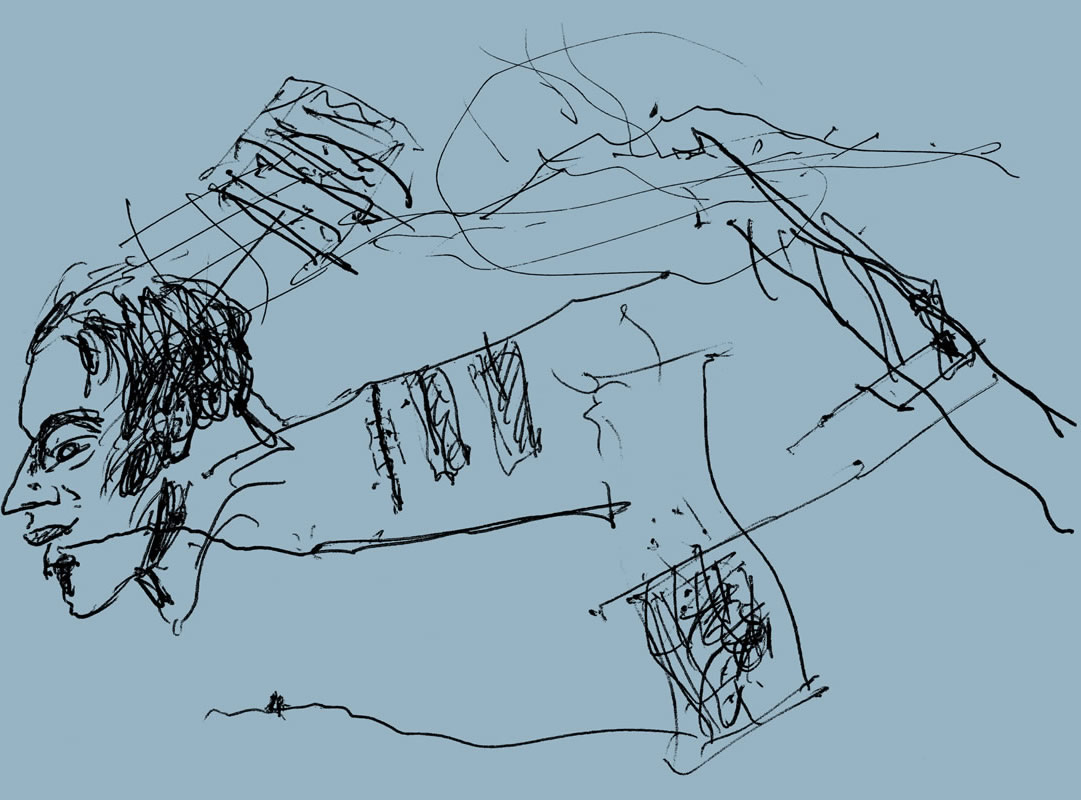
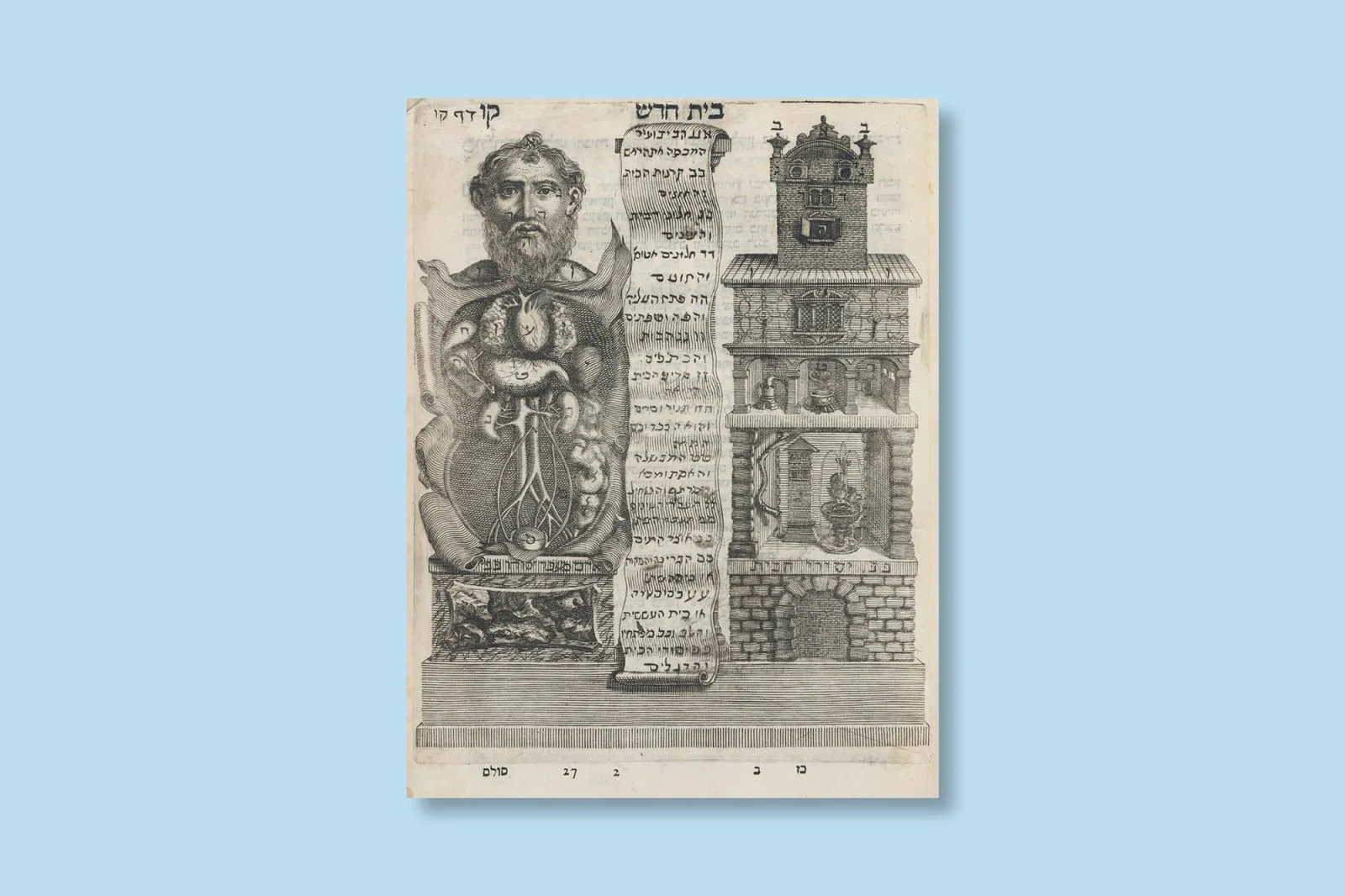
folio (lead image) Tobias Cohen
In Ma’aseh Tuviyah, a 1708 scientific reference book by rabbi-physician Tobias Cohen, the human body is imagined not as a proverbial temple, but as a four-storey house with an attic for a head, kitchen for a belly, and plumbing and water features for excretion. Credit: Wikimedia / Houghton Library / Harvard University
keynote
A bug’s life
Beatriz Colomina
building
Children’s hospital by Herzog & de Meuron in Zürich, Switzerland
Vera Sacchetti
building
Radiotherapy and hemodialysis centre by Baas Arquitectura and Casa Solo Arquitectos in Granollers, Spain
Rafael Gómez-Moriana
essay
Pride without prejudice
Torsten Lange
building
Furuset Hageby dementia village by Nord Architects and 3RW Arkitekter in Oslo, Norway
Feliks Ulvåen Isaksen
building
Appleby Blue almshouse by Witherford Watson Mann in London, UK
Catherine Slessor
outrage
Building kills
Charlotte Banks
building
Wastewater treatment plant by Clancy Moore in Arklow, Ireland
Eleanor Beaumont
reputations
Irene Barclay
Marianna Janowicz
building
Parque Realengo by Ecomimesis Soluções Ecológicas, Ayako Arquitetura, Helena Meirelles Arquitetura, Larissa Monteiro, Messina Rivas and Zebulun Arquitetura in Rio de Janeiro, Brazil
Francesco Perrotta-Bosch
building
Guayaquil veterinary clinic by Adamo Faiden in Buenos Aires, Argentina
Magdalena Tagliabue
essay
The hospital of the future?
Annmarie Adams