Rosenbaum | Sebastião and Lélia Wanick Salgado | Rodríguez + De Mitri | Yasmeen Lari with the Heritage Foundation of Pakistan | Yen Partnership | Boeri Studio | Urbanitree | Daw Office | Seiler Linhart | Grafton Architects | Modus Studio
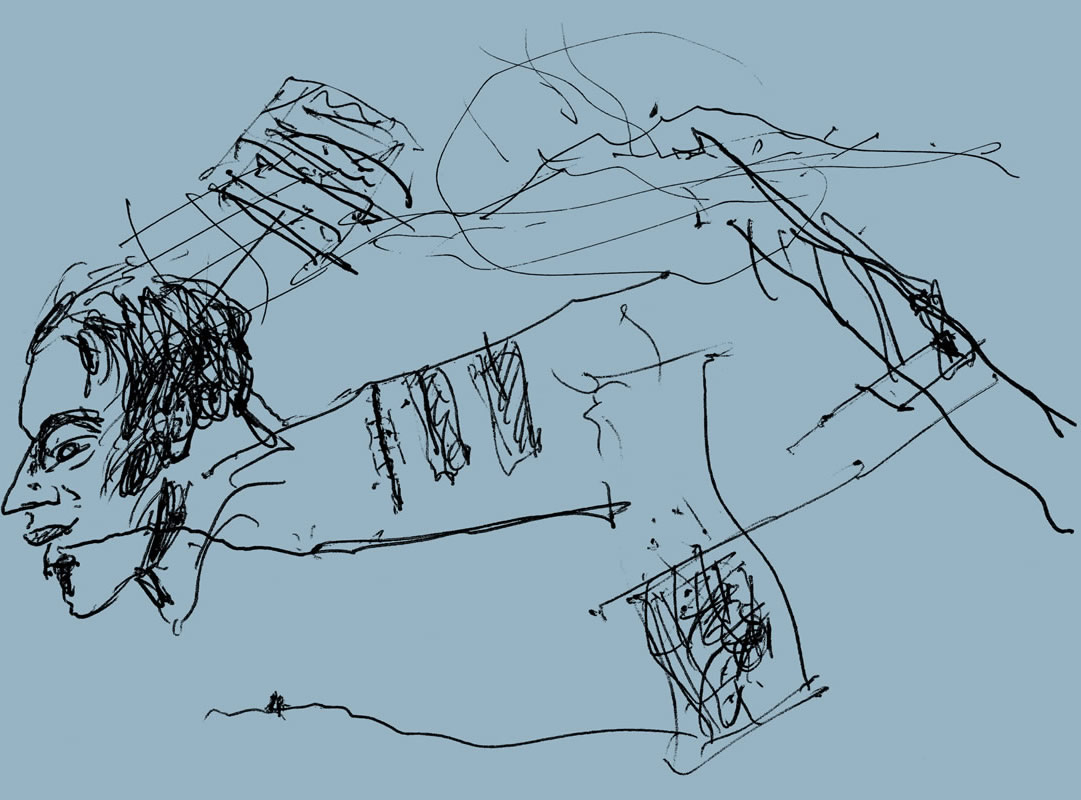
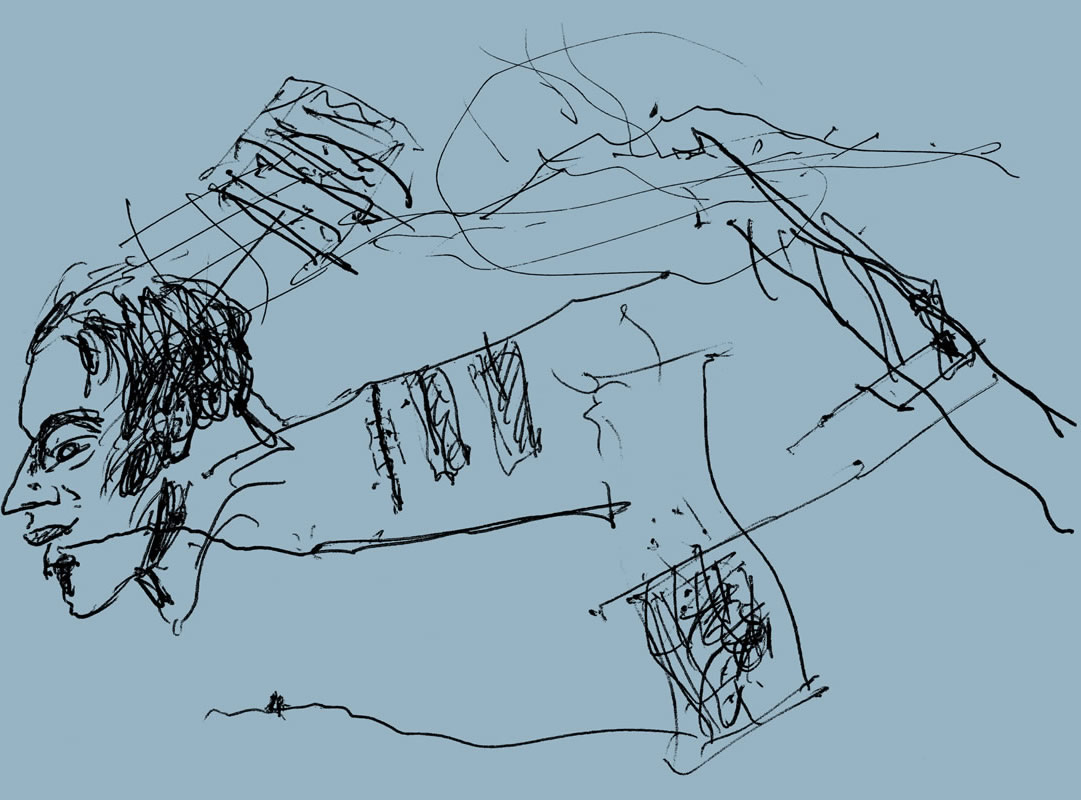
By the time Sebastião Salgado died in May this year, he and his wife Lélia Wanick Salgado had transformed 600 hectares of degraded farmland in the Atlantic Forest into a diverse ecosystem with 3 million trees. The forest repaired the land, creating a much-needed home for wildlife.
Increasingly, forests are planted to repair cities too. In Karachi in Pakistan, Yasmeen Lari has introduced Miyawaki forests into pedestrianised streets to cool the overheated air, while in Milan, the trees installed on Boeri Studio’s Bosco Verticale in 2014 offer shade to the city’s super-wealthy.
Cities rely on forests in other ways, as architects and developers increasingly embrace building at scale with timber. A Swiss wood construction company commissioned a showpiece to advertise its products and expertise, while Grafton Architects’ timber architecture school at the University of Arkansas offers students a masterclass in building with wood. Timber is an important material in remedying housing crises, as seen in Urbanitree’s new social housing in Barcelona.
But overconsumption still looms large – constructing out of timber at the same profit-fuelled rate remains unsustainable. Instead, we must imagine, as Paulo Tavares explains in the keynote (p6), that ‘the foundational design‑act does not rest on clearing the forest, but rather on the continued practice of its cultivation’.
1524: Forest
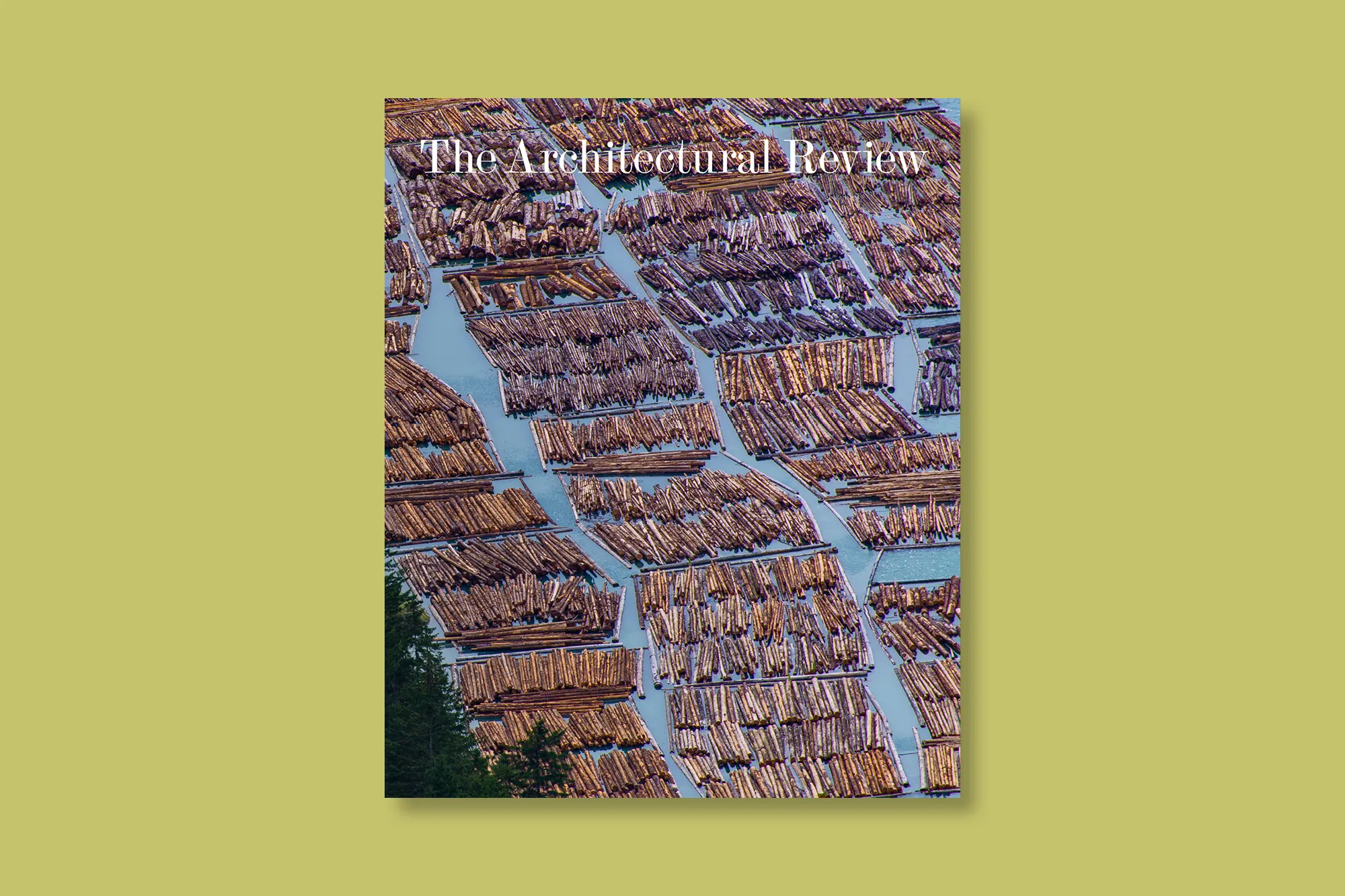
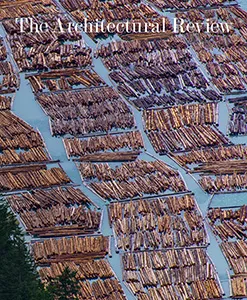
cover (above) Around 66 million trees are cut down each year in British Columbia in Canada. Despite signing few agreements with First Nations people, colonial governments assumed ownership of large swathes of forest and leased it to logging companies. Just a fifth of British Columbia’s old‑growth forests remain. Credit: Cavan Images/Getty
folio (lead image)
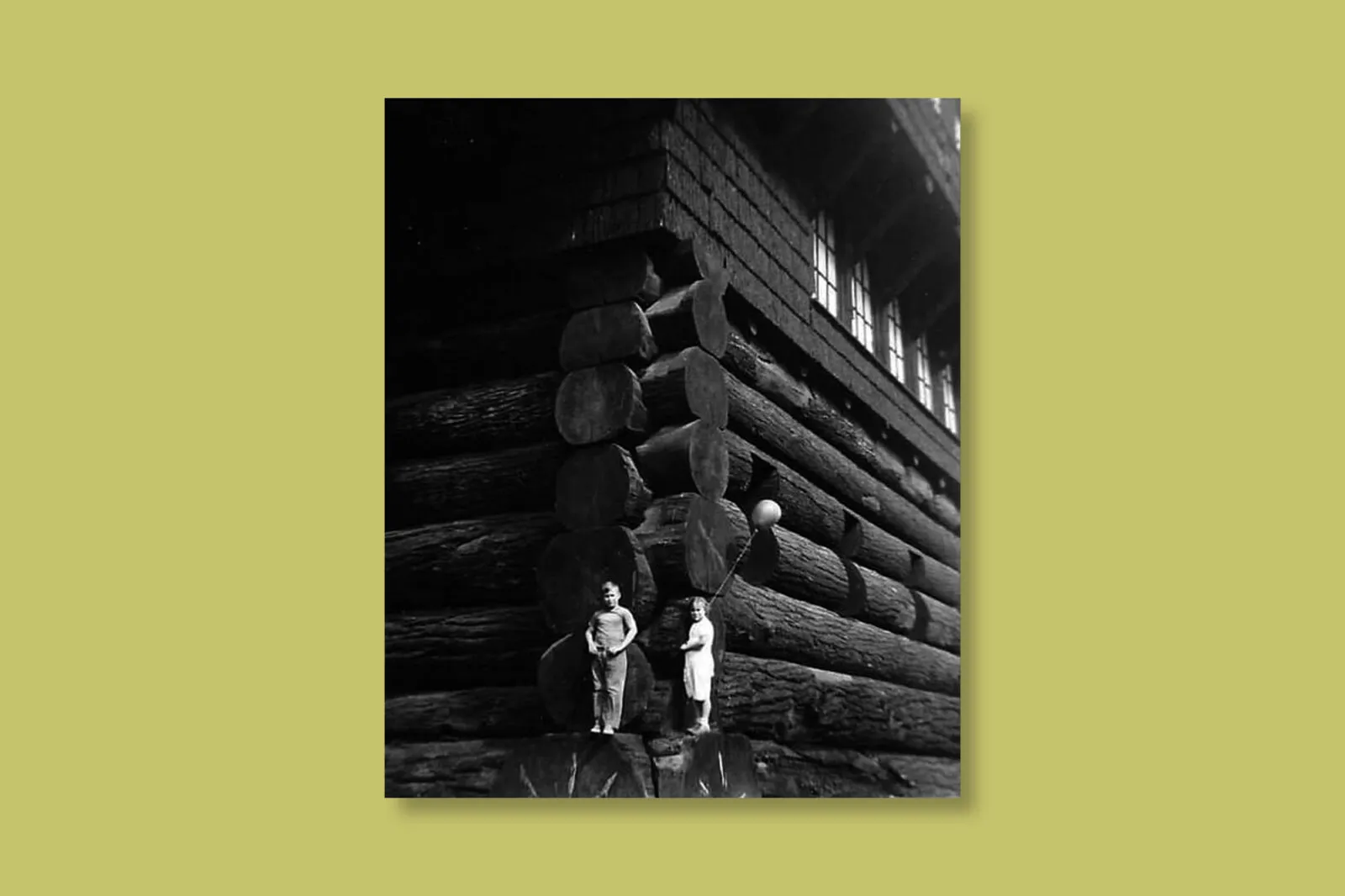
The Forestry Building was built as part of a 1905 expo held in Portland in the US. Constructed from unpeeled tree trunks, like a giant log cabin, the building contained exhibits about forestry and local animals. The building burnt down in 1964
keynote
Forest polis
Paulo Tavares
building
University of Ancestral Knowledge, ceremonial centre and housing prototype by Rosenbaum in Acre, Brazil
Guilherme Wisnik
reputations
Sebastião Salgado and Lélia Wanick Salgado
David Campany
building
Sian Ka’an reforestation nursery by Rodríguez + De Mitri in Quintana Roo, Mexico
Ana Karina Zatarain
building
Ecostreets by Yasmeen Lari with the Heritage Foundation of Pakistan in Karachi, Pakistan
Oonib Azam
building
Lintianshan Forestry Culture Park by Yen Partnership Architects in Fenglin, Taiwan
John Lin
outrage
Israel’s green colonialism
Sufi Boise
revisit
Bosco Verticale by Boeri Studio in Milan, Italy
Davide Tommaso Ferrando
building
Passeig de Boca de la Mina by Batlleiroig in Reus, Spain
Blanca Pujals
building
Social housing by Urbanitree in Barcelona, Spain
Eleanor Beaumont
essay
Flatpack forest
Erin Putalik
building
Architecture school at the University of Arkansas by Grafton Architects with Modus Studio in Fayetteville, US
Raymund Ryan
building
Carpentry workshop by Daw Office in Thionck Essyl, Senegal
Alyssa K Barry
building
Küng Holzbau carpenters’ office by Seiler Linhart Architekten in Alpnach, Switzerland
Giulia Scotto
essay
Living with wildfires
Martha Dillon